
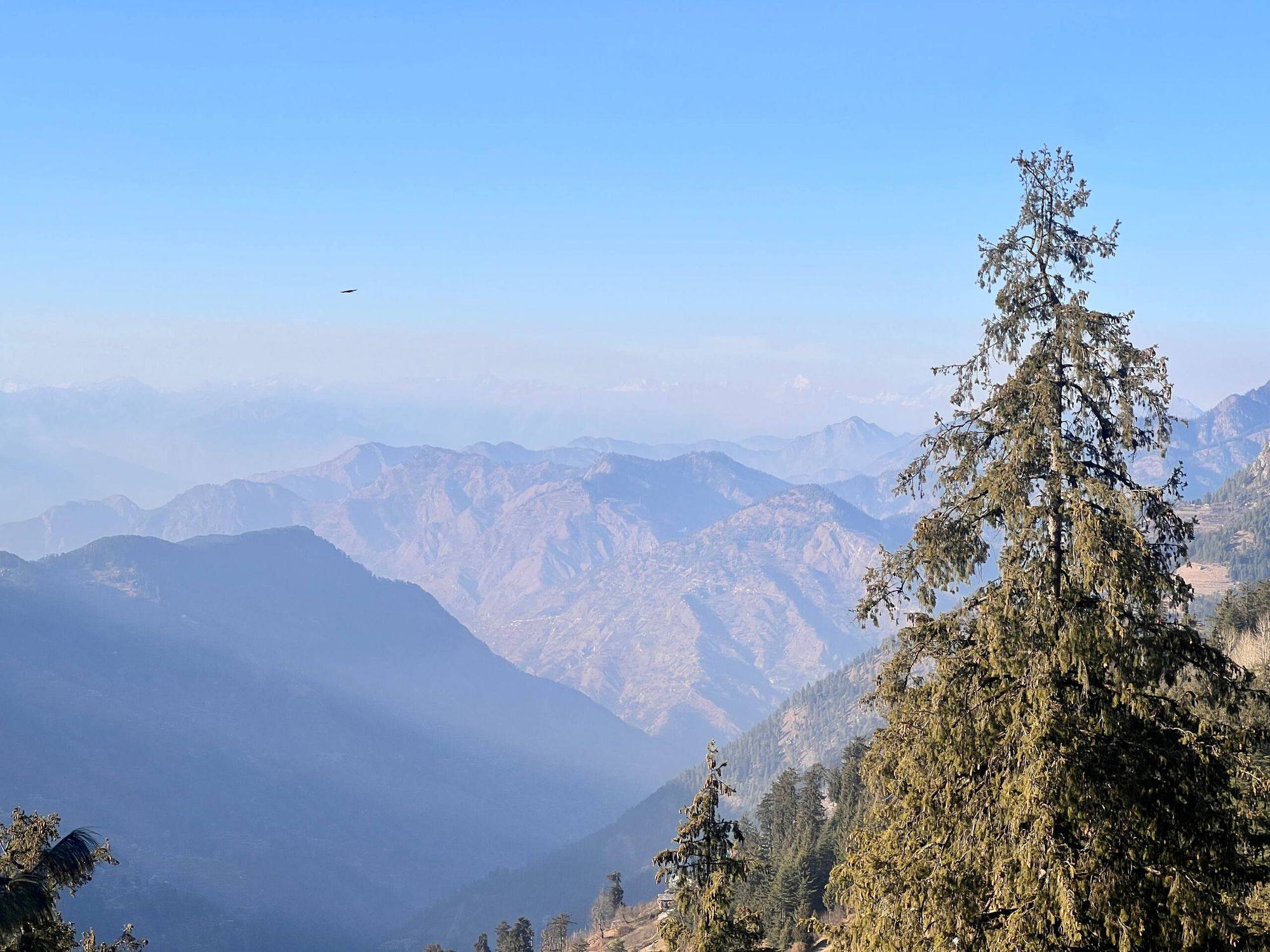
Plan · All seasons
Best time to visit Jibhi: a month-by-month guide
Ten years of weather averages, when it snows, when Jalori Pass is open, and the months we would pick ourselves.
Short answer: the best time to visit Jibhi and Tirthan Valley is October to mid-November, when the monsoon has gone, skies are clear, rain is rare and Jalori Pass is usually open. April to June is the next best window, green and mild. Come in January or February only if you want a chance of snow and don't mind the cold, and treat July and August as monsoon months with real road risk.
We host guests in Chhet, a short drive from Jibhi, so we see the seasons change every day. Below is what each month is like, with averages so you can plan around the weather rather than guess.
Jibhi weather month by month
| Month | Avg high / low | Rain (total · rainy days) | What it's like |
|---|---|---|---|
| Jan | 10°C / 0°C | 88 mm · ~9 days | Coldest month; best chance of snow |
| Feb | 12°C / 0°C | 105 mm · ~8 days | Cold; snow still possible |
| Mar | 17°C / 4°C | 101 mm · ~13 days | Thawing, often showery |
| Apr | 21°C / 8°C | 101 mm · ~12 days | Mild days, cool nights |
| May | 24°C / 11°C | 64 mm · ~12 days | Warm and pleasant |
| Jun | 26°C / 15°C | 100 mm · ~14 days | Warmest; pre-monsoon |
| Jul | 24°C / 18°C | 318 mm · ~26 days | Wettest; monsoon |
| Aug | 24°C / 17°C | 335 mm · ~25 days | Monsoon; slippery trails |
| Sep | 23°C / 14°C | 178 mm · ~19 days | Rains easing late in the month |
| Oct | 20°C / 9°C | 39 mm · ~8 days | Dry and clear; our pick |
| Nov | 17°C / 5°C | 34 mm · ~5 days | Cold nights, clear, quiet |
| Dec | 14°C / 2°C | 31 mm · ~5 days | Cold; first snow some years |
Averages are approximate: daily ERA5 reanalysis data for Jibhi village, 2016–2025, via Open-Meteo, rounded. A "rainy day" is one with at least 1 mm of rain or melted snow. Real days vary, and Jalori Pass (about 3,120 m) is much colder than the village.
October and November: our pick
October and November are the most settled months for travel: about 39 mm and 34 mm of rain on average, against more than 300 mm in July or August, and still mild enough for long days outdoors. Days are warm enough for a T-shirt at noon; nights drop towards single digits. The Great Himalayan National Park calls autumn (September to November) its best season, with clear skies and minimal rainfall, and lists September to November as one of its two core-zone trekking windows.
- Good for: Jalori Pass and Serolsar Lake, Chehni Kothi, GHNP day treks, long views and starry nights
- Watch out for: long-weekend traffic (Dussehra, Diwali on Sunday 8 November 2026); weekdays are far quieter
- Read more: Jibhi in October 2026 and Jalori Pass before winter shuts it
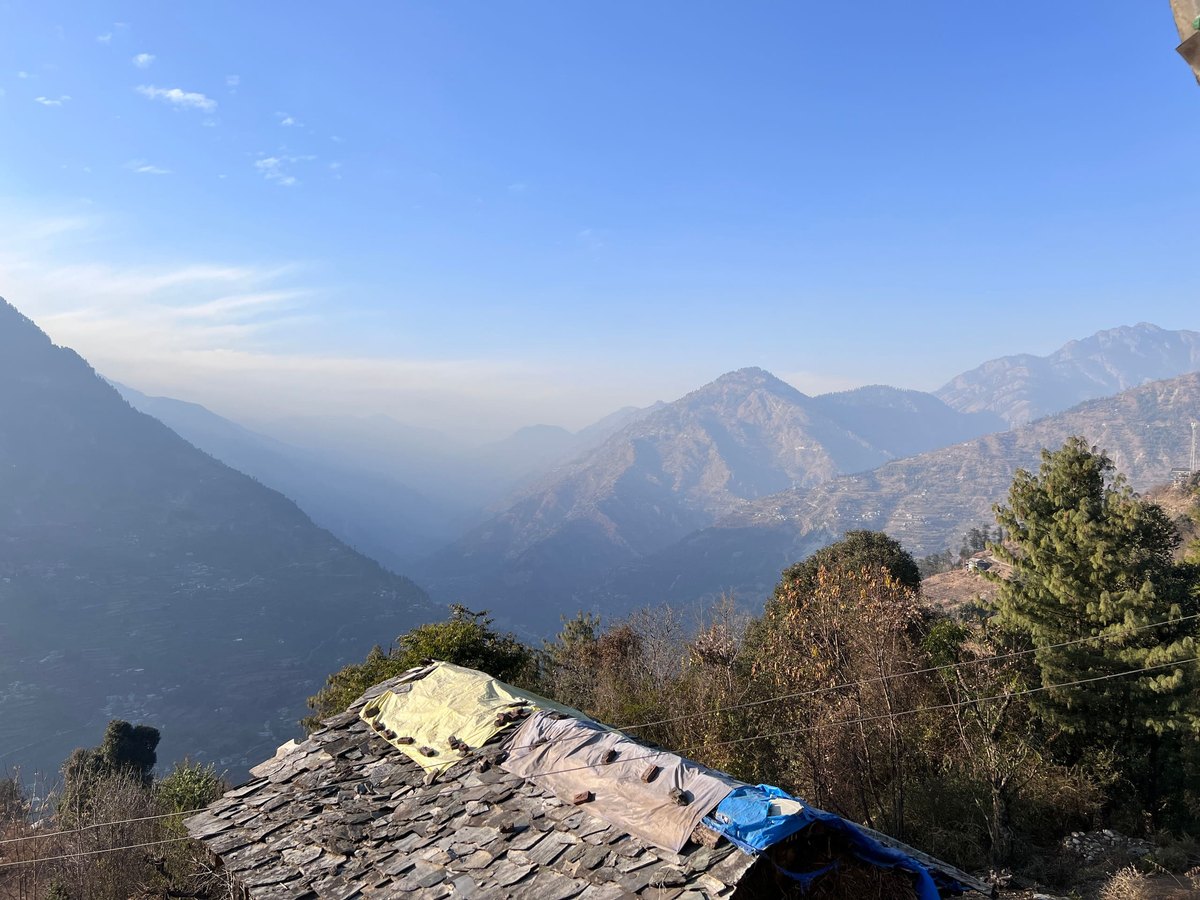
December to February: cold, quiet, maybe snow
This is real winter. Average highs are about 10–14°C and nights hover around freezing. January and February are when the village is most likely to see snow; December has lighter chances. Snow is never guaranteed in Jibhi itself, so don't book only for it. Jalori Pass, a lot higher up, closes after heavy snowfall, sometimes for weeks: in the 2025–26 winter, Amar Ujala reported it shut by snow on 23 January and reopened for 4x4 vehicles only 19 days later.
- Good for: cosy slow stays, bonfire evenings (on request, charged extra), clear cold mornings, very few people outside Christmas and New Year week
- Watch out for: icy roads after snow, short daylight, and Jalori closures. Ask us about road conditions the day before you travel
- Pack: down jacket, thermals, woollen cap and gloves, waterproof shoes
In winter, each of our cottages has a room heater, hot water is available 24x7 and there is power backup. Cars drive right up to your cottage door, and parking is free.
March and April: the thaw
March is changeable: it is one of the more showery months, with the last snow of the season possible early on. By April, days are mild (around 20°C) and nights cool. GHNP describes spring as chilly but with blooming rhododendrons and active birdlife, and its spring trekking window runs April to June.
May and June: warm and green
May is pleasant, with highs in the low to mid 20s, and is a good escape from the plains' heat. June is the warmest month and the run-up to the monsoon, with rain picking up later in the month. Expect more visitors in school-holiday weeks, so weekdays are again the calm option.
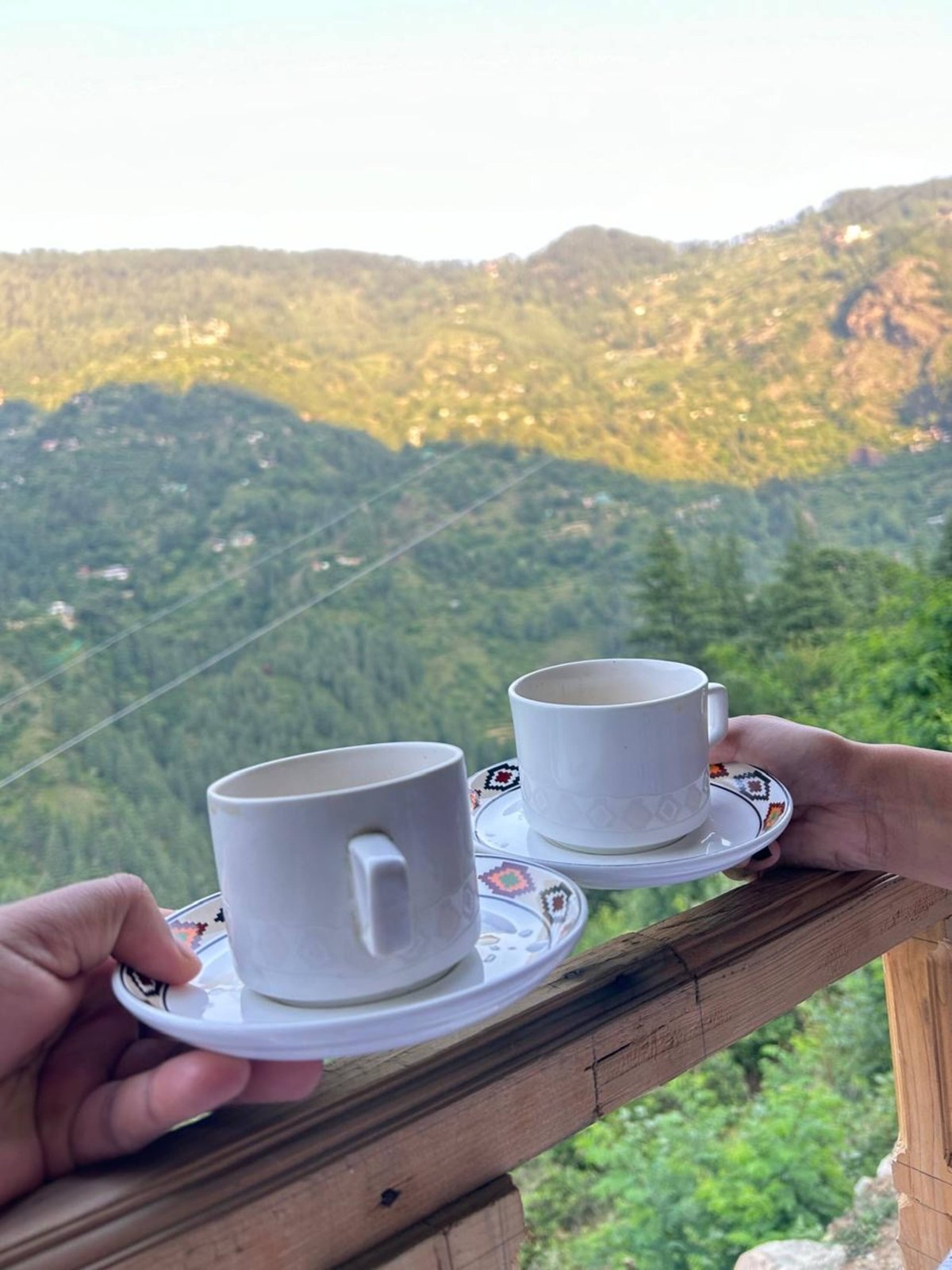
July to September: monsoon, with care
July and August are by far the wettest months, with more than 300 mm of rain each and rain on most days. The valley is at its greenest, but trails get slippery and mountain roads can be hit by landslides. GHNP itself warns that monsoon rain can make trails slippery and risky. September is a transition month: still wet early on, usually clearing in the last week or two.
- Keep at least one buffer day and avoid driving the last mountain stretch after dark
- Check IMD Shimla and District Kullu updates before you leave
- Plan short walks rather than long treks
So, when should you come?
- Clear views and treks: October to mid-November
- Green hills and mild weather: April to June
- A chance of snow: January and February (flexible dates help)
- Fewest people: any month, Monday to Thursday, avoiding long weekends
- With your dog: October, November and April to June are the easiest for long walks. See travelling with your dog
Where to stay near Jibhi
Peaks N Valley Stays is in Chhet, a short drive from Jibhi: a Romantic Glass House for two with a private hot tub, and two Mudhouses for up to three guests each, with a fire pit and bonfire or BBQ evenings on request (charged extra). All three are pet-friendly, and our in-house local chefs cook Himachali food with farm-sourced produce, including fresh Siddu made on request. Tell us your month and we'll tell you honestly what to expect.
WhatsApp: +91 99537 93147 · peaksnvalleystays.com
What is the best time to visit Jibhi?
October to mid-November for clear, dry weather and open trails. April to June is the next best window. July and August are the wettest months.
Does it snow in Jibhi?
Sometimes, mostly in January and February, with lighter chances in December and March. Snow is never guaranteed in the village; Jalori Pass above it gets far more.
Is it safe to visit Jibhi in the monsoon?
July and August bring the heaviest rain, slippery trails and occasional landslides on mountain roads. If you come, keep buffer days, avoid driving after dark and check road updates before you leave.
Is Jalori Pass open in winter?
Usually not for long. It closes after heavy snowfall, sometimes for weeks, and reopens in stages. October and early November are the safest months for Jalori and Serolsar Lake.
How cold is Jibhi in winter?
Averages for the area are roughly 10–14°C by day and around 0–2°C at night from December to February, with colder spells after snow.
Keep exploring
Related pages
Jibhi in October 2026 →A weekend itinerary from Delhi →The Glass House →Mudhouse 1 & 2 →Book direct
Ready for Chhet?
WhatsApp your dates, guests and pets — we confirm availability and the final quote before you pay.