
Day trips · Banjar valley
Chehni Kothi near Jibhi: kath-kuni tower, walk and tips
No cement, no nails: a stone-and-deodar tower linked to the Shringa Rishi walk, easy day plans from our Chhet cottages.
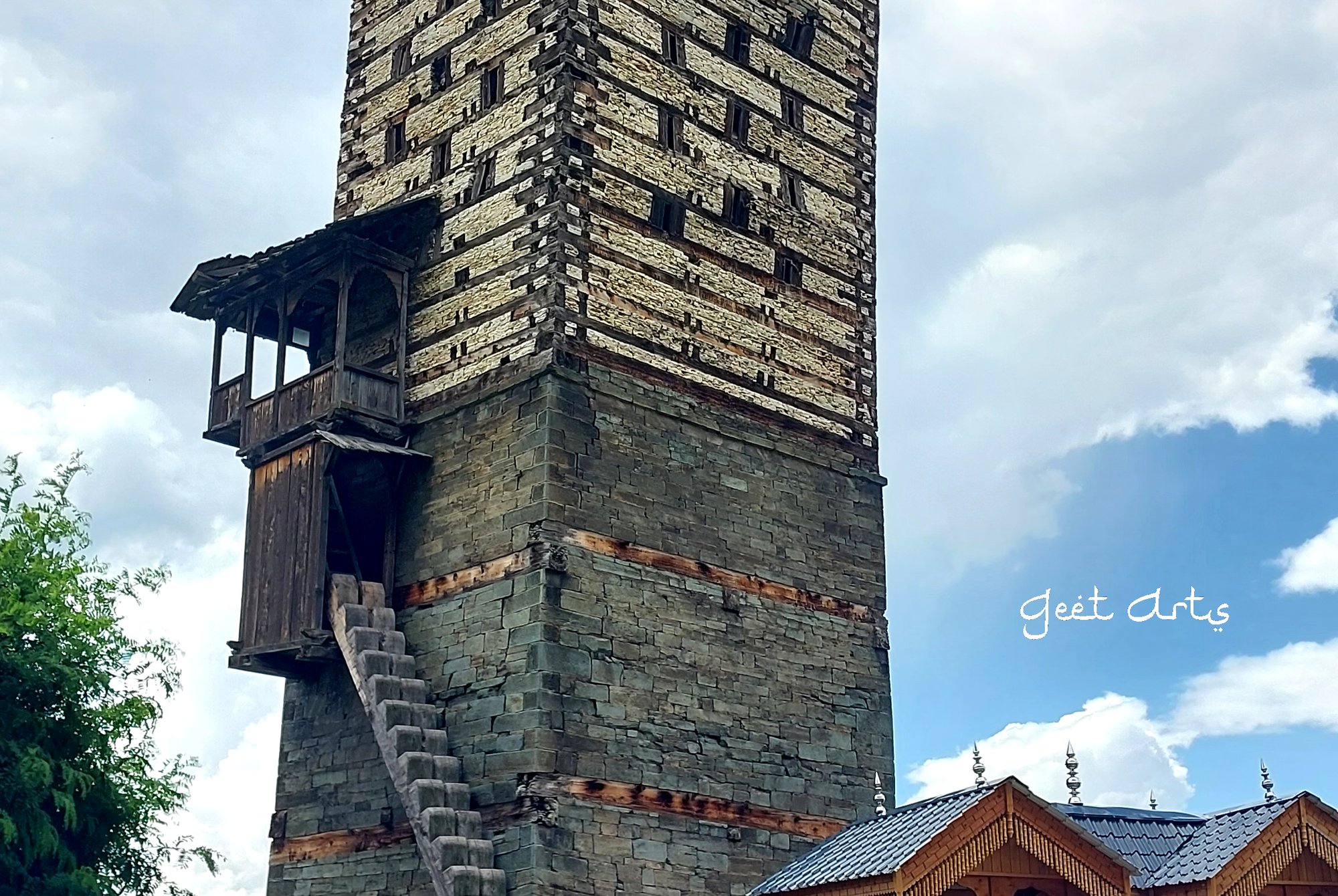
Short answer: Chehni Kothi is a tall tower in Chehni village near Banjar, built in the traditional kath-kuni style: alternating layers of stone and deodar wood, locked at the corners, with no cement and no nails. There is a temple inside the main tower, and Lonely Planet notes a slight, Pisa-like lean. You reach it on about 1 km of forest footpath that starts close to the Shringa Rishi temple, so most visitors do both in one outing from Jibhi or our cottages in Chhet.
What it is and where
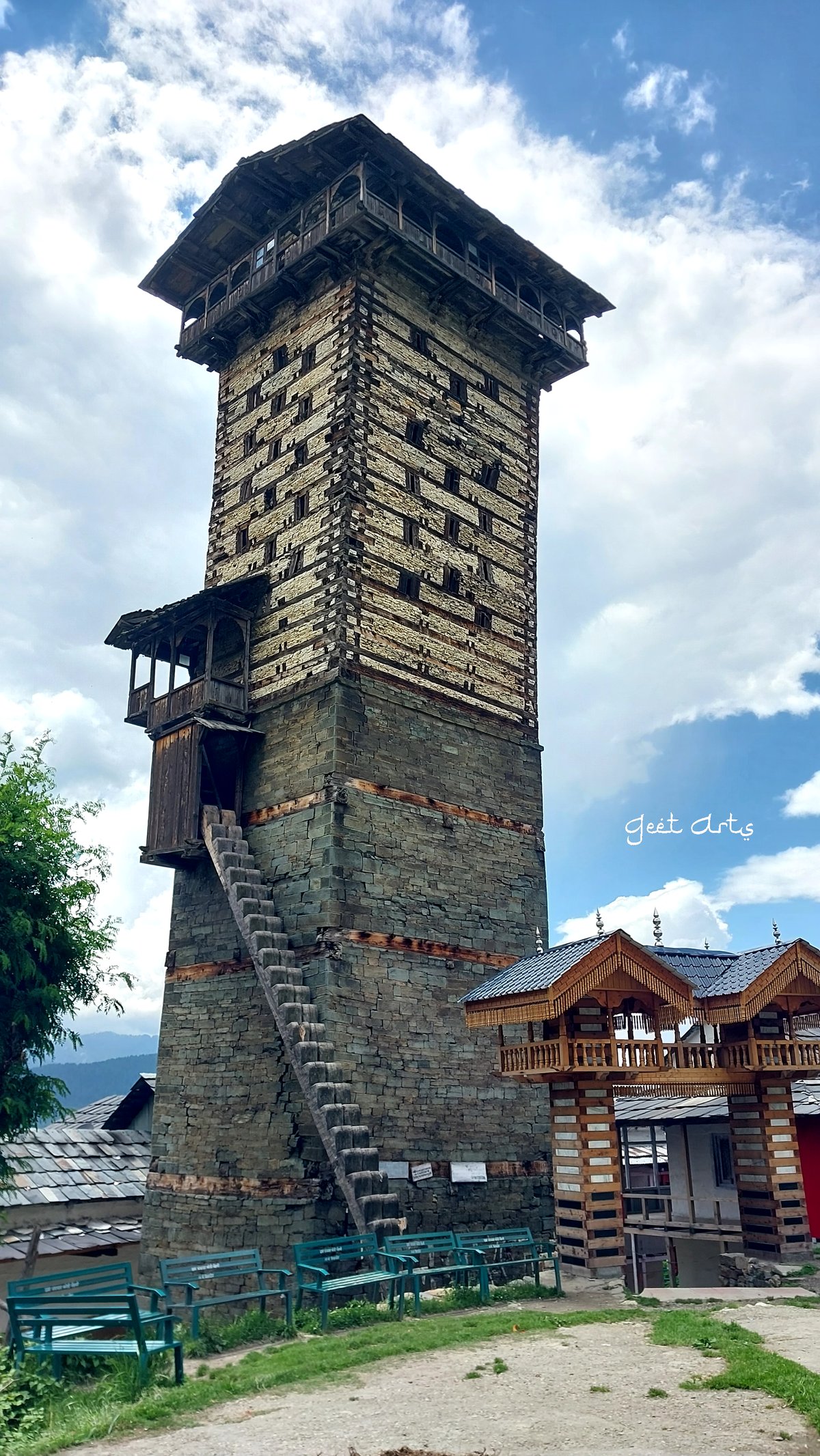

Chehni sits in the Banjar valley of Kullu district, Himachal Pradesh. The kothi is the village's landmark tower: a stack of stone and timber that looks more like a fort than a house. Sources online disagree on its age and height (figures range from roughly 200 to 350 years, and 30 to 45 m), so we do not quote a single number. What is consistent across Wikipedia, Himalayan Ecotourism and Architectural Digest India is the construction method: stone and wood only, without cement or nails.
How kath-kuni works
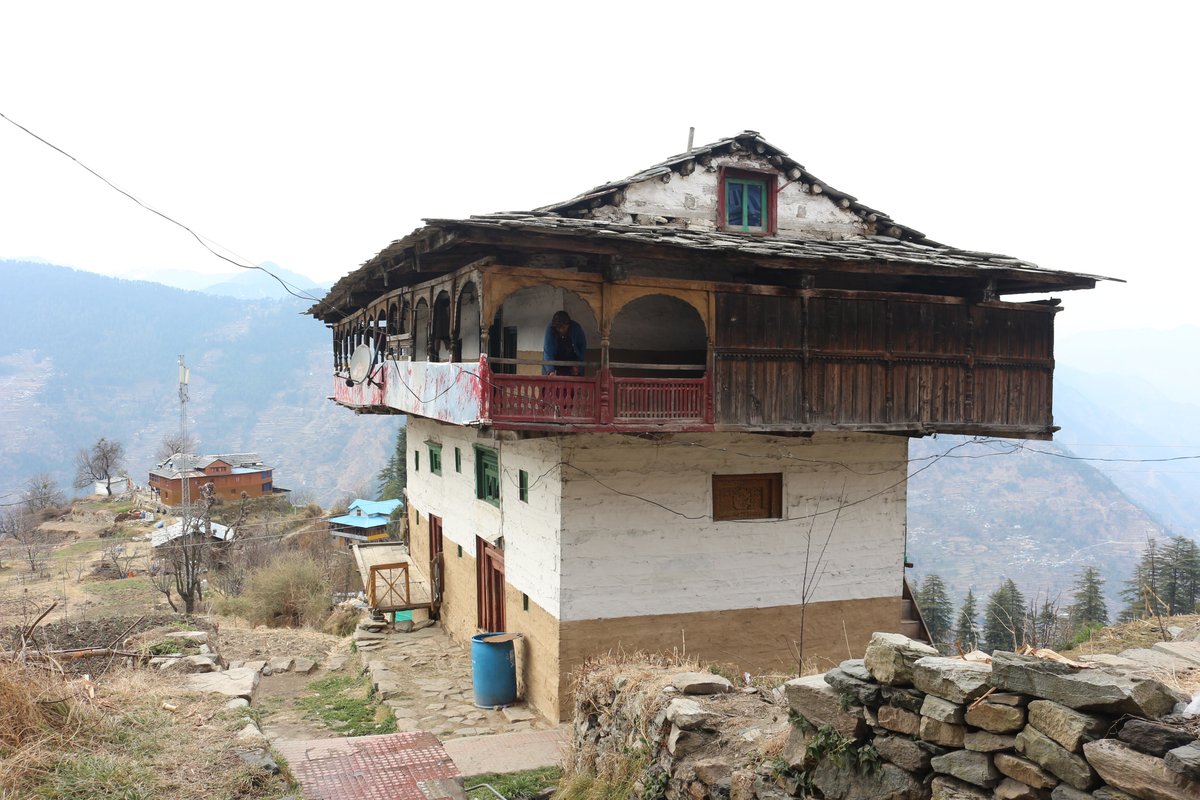

Kath means wood and kuni (or kona) means corner. In a kath-kuni wall, horizontal deodar beams lock together at the corners, and courses of dry stone sit between the timber layers. The wood ties the structure; the stone fills and weighs it. AD India notes that Chehni is among the last villages that still practise this style, so you are not only looking at an old tower—you are in a place where the craft is still alive.
The temple and the lean
Lonely Planet describes a temple inside the main tower and a slight lean that visitors compare to Pisa. Treat it as a working religious site, not a museum. Lonely Planet also notes that foreigners are not allowed inside the main tower. Whoever you are, follow the village and temple rules, dress modestly, and ask before taking photos.
Fagli in spring
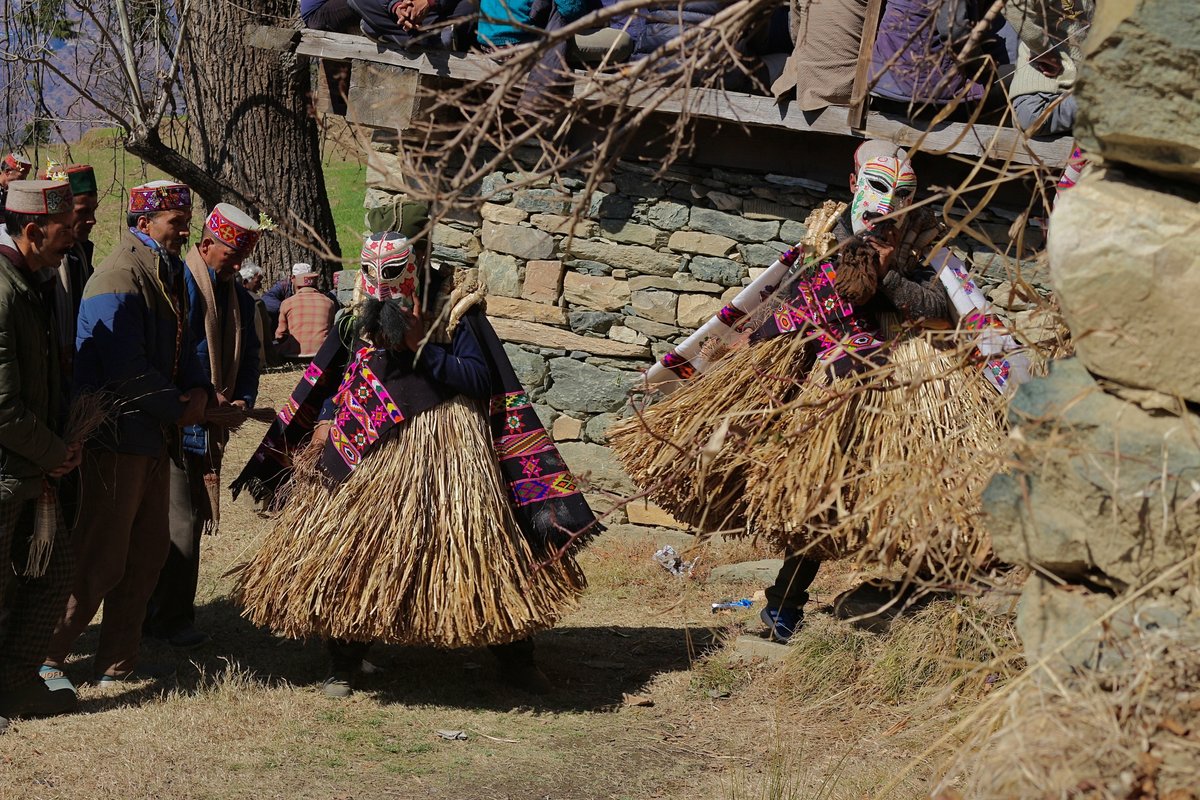

Commons photos by Banchida document the Fagli festival celebrated at Chehni Kothi in spring. Wikipedia's Banjar page lists the related Faguli in March. Dates follow the local calendar, so check closer to the time if you are planning a trip around it.
The walk from Shringa Rishi
- Path: roughly 1–1.5 km uphill on a forest and orchard footpath from the Shringa Rishi temple gate at Bagi, usually 45–60 minutes one way at an easy pace (Himalayan Ecotourism, Travel Coffee). Wear proper shoes, and skip it when the steps are wet
- Pair the visits: see our Shringa Rishi temple guide for who the sage is and how to reach Bagi
- Day plan: Banjar / Shringa in the morning, Chehni on foot, chai back in Banjar or Jibhi
- From Chhet: WhatsApp us and we will help you plan the day
- Pets: dogs are a common sight around Jibhi and the footpaths are fine for them. Rules for temples vary, so check locally and don't take your dog inside a temple unless you are told it is allowed
Why we skip age and height
You will see very different figures online for how old and how tall Chehni Kothi is. Wikipedia and Lonely Planet lean one way; Himalayan Ecotourism leans another. Rather than pick a number that may be wrong, we stick to what the sources agree on: the kath-kuni method, the temple inside, the lean, and the short forest walk from Shringa Rishi.
Stay nearby in Chhet
Our Glass House and mudhouse cottages are in Chhet, a short drive from Banjar and a natural base for Chehni, Shringa Rishi, Jalori Pass and the Tirthan river. Pets are welcome. For a wider day-trip list, see 5 things to do in Jibhi and the full things to do and treks guide. Check availability on WhatsApp.
Is Chehni Kothi open to visitors?
Yes, as a village landmark and working temple site. Follow local rules. Lonely Planet notes that foreigners are not allowed inside the main tower.
How long is the walk?
Roughly 1–1.5 km uphill from the Shringa Rishi temple gate at Bagi, usually 45–60 minutes one way at an easy pace.
Can I go inside?
There is a temple inside the main tower. Lonely Planet says foreigners are not permitted inside. Ask on site and follow the priest or villagers.
Is it dog-friendly?
Pets are welcome at our cottages in Chhet. Dogs are common around Jibhi and fine on the footpath. Check locally before going near the temple, and don't take your dog inside unless you are told it is allowed.
Best season?
Clear days from spring through autumn are easiest for the forest walk. Fagli is in spring (around March locally). Jalori Pass days are best planned before the first heavy snow usually shuts the road in mid to late November.
Sources
Photo credits
- Chehni Kothi (hero and main photo): Sukhjiwan Singh, CC BY-SA 4.0, via Wikimedia Commons, cropped and resized. The "Geet Arts" mark is the photographer's own.
- Kath-kuni house: Banchida, CC BY-SA 4.0, via Wikimedia Commons, cropped and resized.
- Fagli festival: Banchida, CC BY-SA 4.0, via Wikimedia Commons, cropped and resized.
Book direct
Ready for Chhet?
WhatsApp your dates, guests and pets — we confirm availability and the final quote before you pay.